


 Multi-Country
 Vietnam
 Laos
 Thailand
 Cambodia
 Myanmar
 Singapore
 Malaysia
 Indonesia
 Japan
 China
 South Korea
When people talk about travel to Cambodia, almost everyone thinks of Angkor Wat. It is understandable: few images sum up Southeast Asia better than temples rising out of the jungle in the first light of day.
But stopping at Angkor would mean missing a good part of the country. If you are thinking of how to travel to Cambodia, keep in mind that there are also cities rich in history, communities that live on the water, quiet beaches and people who welcome visitors warmly.
In this Cambodia travel guide we go through what to see, how much it costs to enter Angkor, when to go and what to bear in mind so that your trip goes well.
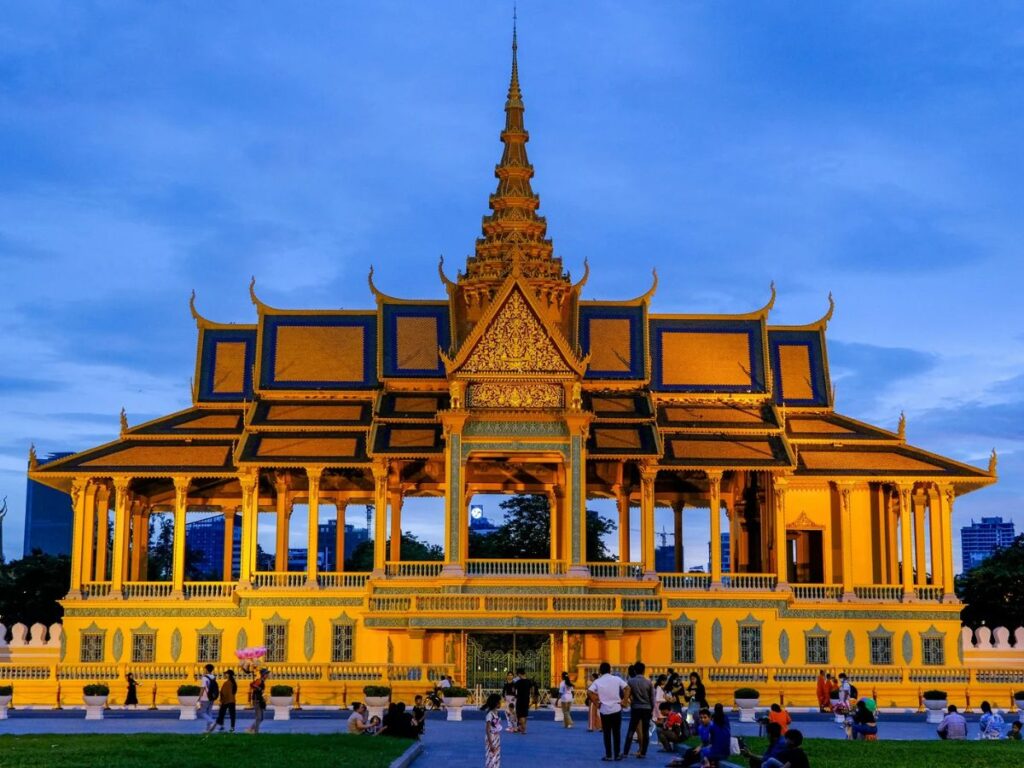
Why go to Cambodia?
Cambodia is a small country where, in just a few days, you go from 12th-century temples to neighbourhood markets, and from towns with a colonial imprint to villages built over the water. It also receives fewer visitors than its neighbours, so many places can be enjoyed at an unhurried pace.
This is what usually makes the difference on a trip:
- The temples of Angkor: the largest religious complex in the world and the reason most people come. You need several days to see it without rushing.
- A history you understand on the ground: from the splendour of the Khmer Empire to the difficult decades of the 20th century. Visiting Phnom Penh helps put what you see in the rest of the country into context.
- Life around the water: the Tonlé Sap and the Mekong set the calendar and the economy for a large part of the population.
- Coast and quiet islands: a few days on the beach fit in well after touring the interior.
- Simple, tasty cuisine: less spicy than Thai food, with plenty of fresh herbs, coconut and river fish.
Many people come for Angkor Wat and leave with the feeling that the country is far more varied than they imagined.
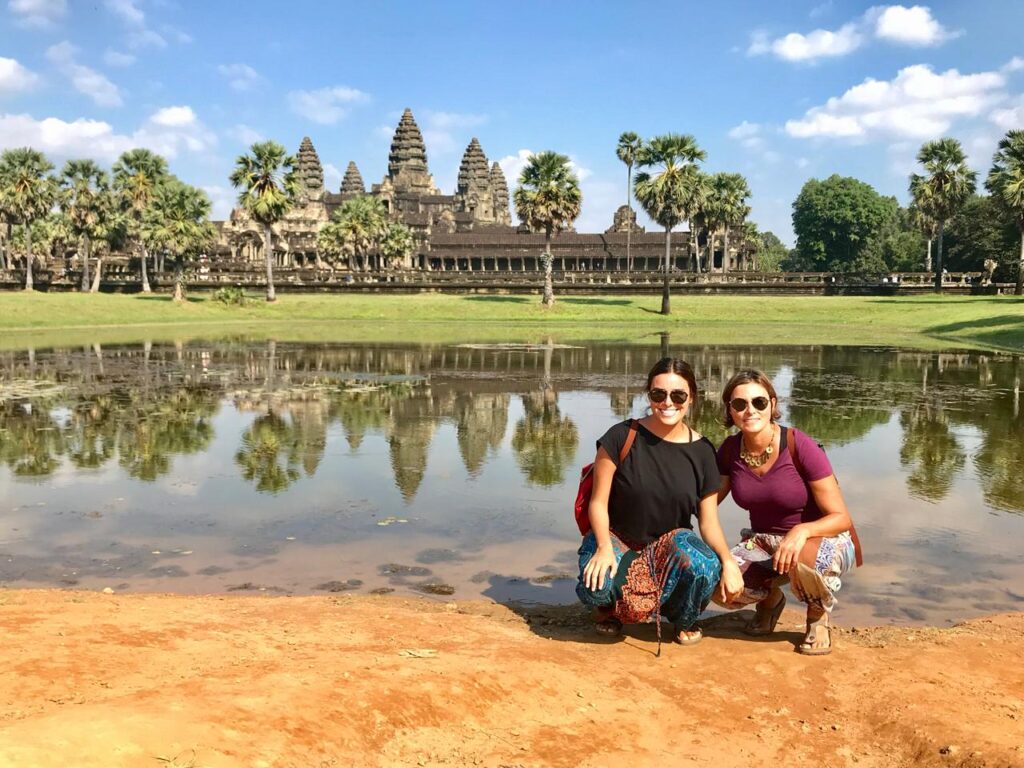
Angkor Wat and the temples of Angkor
Angkor Wat is the most famous monument in Cambodia and a symbol of the country, to the point of appearing on its flag. It was built by the Khmer Empire and is part of a complex of temples spread over hundreds of square kilometres. In other words, Angkor is not a single temple but an ancient capital in ruins, and it takes several days to explore.
Temples worth seeing
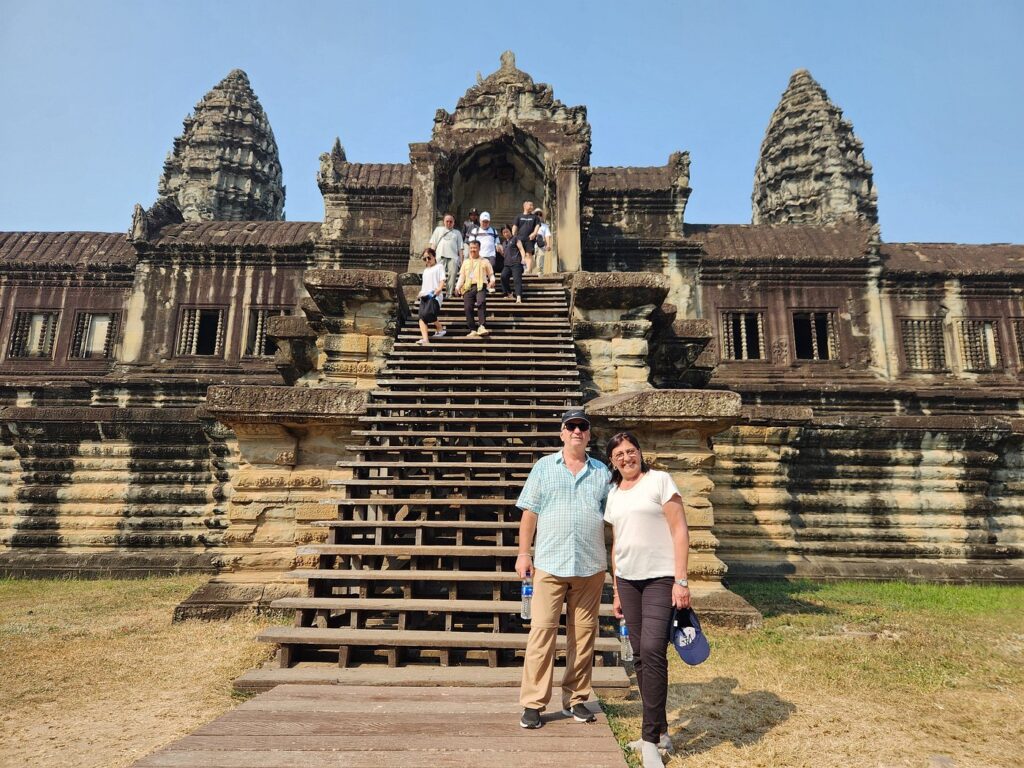
- Angkor Wat: the main temple, with its five towers and the galleries of bas-reliefs that run around the outside. The reliefs tell scenes from Hindu mythology and battles, and are best looked at without hurry.
- Angkor Thom and the Bayon: a walled city that was the capital of the empire. At its centre is the Bayon, with dozens of towers carved with large smiling faces. It is best seen in morning or mid-afternoon light.
- Ta Prohm: the temple half swallowed by the jungle, with enormous roots over walls and galleries. It has only been partly restored in order to keep that look. Arrive early, because it is one of the busiest.
- Banteay Srei: a small temple on the outskirts of Siem Reap, made of pink stone with very fine reliefs. It is the favourite of those who enjoy details. It is usually combined with other temples in the north.
How to organise your visit
Most travellers choose between two routes. The small circuit brings together Angkor Wat, Angkor Thom (with the Bayon) and Ta Prohm, and can be done in one intense day. The grand circuit adds more remote, quieter temples, and suits a multi-day pass better. With two or three days you can combine both without exhausting yourself.
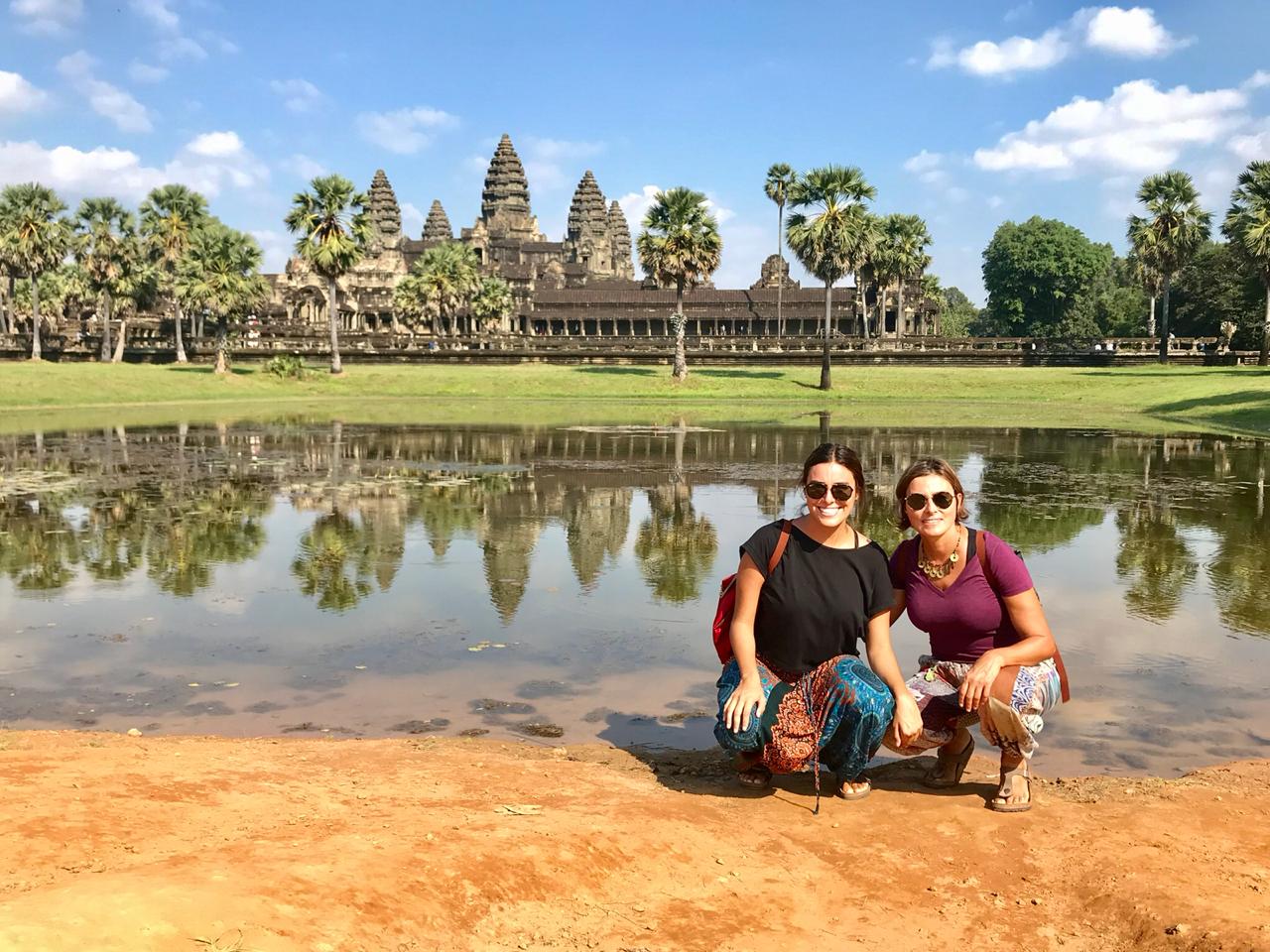
For sunrise, the most popular spot is the pond in front of Angkor Wat; arrive in good time, because it fills up with people. If you prefer a more relaxed sunset, Phnom Bakheng is the classic option, although it can also be very crowded. To get around, the most common choice is to hire a tuk-tuk with a driver for the day, at roughly 20 to 30 USD depending on the route. Agree on the price before setting off.
Tickets, opening hours and dress code
- Tickets: the 1-day pass costs 37 USD, the 3-day pass 62 USD and the 7-day pass 72 USD. The 3-day pass is valid for 7 days from purchase and the 7-day pass for 30. They are sold on the official Angkor website (e-ticket), in its app or at the official ticket office in Siem Reap (Road 60, about 4 km from the centre). Tickets bought through other channels are not valid. For the 3- and 7-day passes a photo is taken at purchase and printed on the ticket; the 1-day pass no longer requires it.
- Opening hours: the park opens at 5:00 and closes at around 18:30; Angkor Wat closes a little earlier, at around 18:00. To see the sunrise, it is best to arrive at around 5:00 or earlier.
- More distant temples: Koh Ker, Beng Mealea and Kbal Spean have a separate entrance fee (15, 10 and 5 USD respectively), so they are not included in the Angkor pass.
- Dress code: shoulders and knees covered to enter the main temples. A light scarf solves it.
- Children: children under 12 do not pay an entrance fee, but they may be asked for a passport as proof of age. They cannot climb the upper tower of Angkor Wat.
- Distance: the main entrance is about 15-20 minutes from Siem Reap.
Prices and opening hours can change, so it is best to check them on the official website before you travel.
Siem Reap: more than a base for visiting Angkor
Many people use Siem Reap only as a starting point for the temples, but the town has a rhythm of its own and deserves an afternoon or an evening. After a day of temples, the centre is a good place to sit down for dinner and stroll.
- Phare, the Cambodian circus: a show of acrobatics, music and theatre created by an art school in the town itself. There is a performance every night at 20:00 and it lasts about an hour. Tickets range from roughly 18 to 38 USD depending on the zone, and it is advisable to book on the official website (pharecircus.org). It is also a plan that children enjoy.
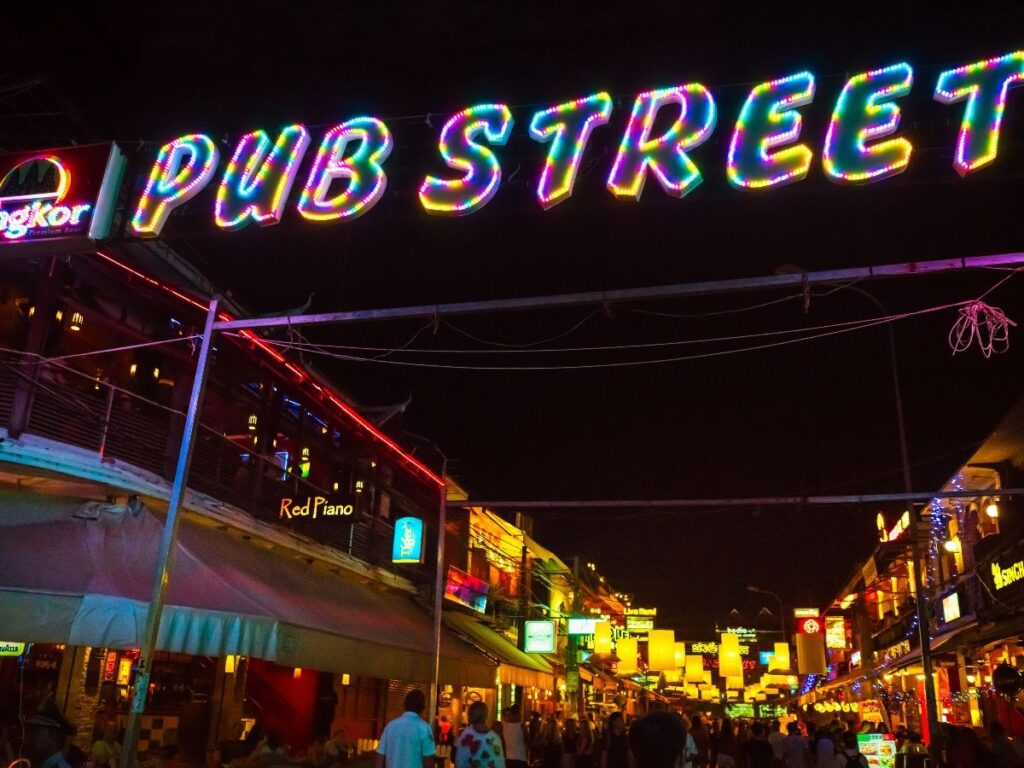
- Pub Street and the markets: the street of bars and restaurants concentrates the nightlife, and the nearby markets are a good place to buy silk, crafts and spices. Bargaining is common, always with good humour.
- Local cuisine: outside the most touristy area there are restaurants and stalls where you can eat well at a better price. It is the ideal place to try amok for the first time.
- A quiet evening: if you got up early for sunrise, a walk by the river or a traditional massage makes up for the tiredness.
Phnom Penh: recent history and capital-city life
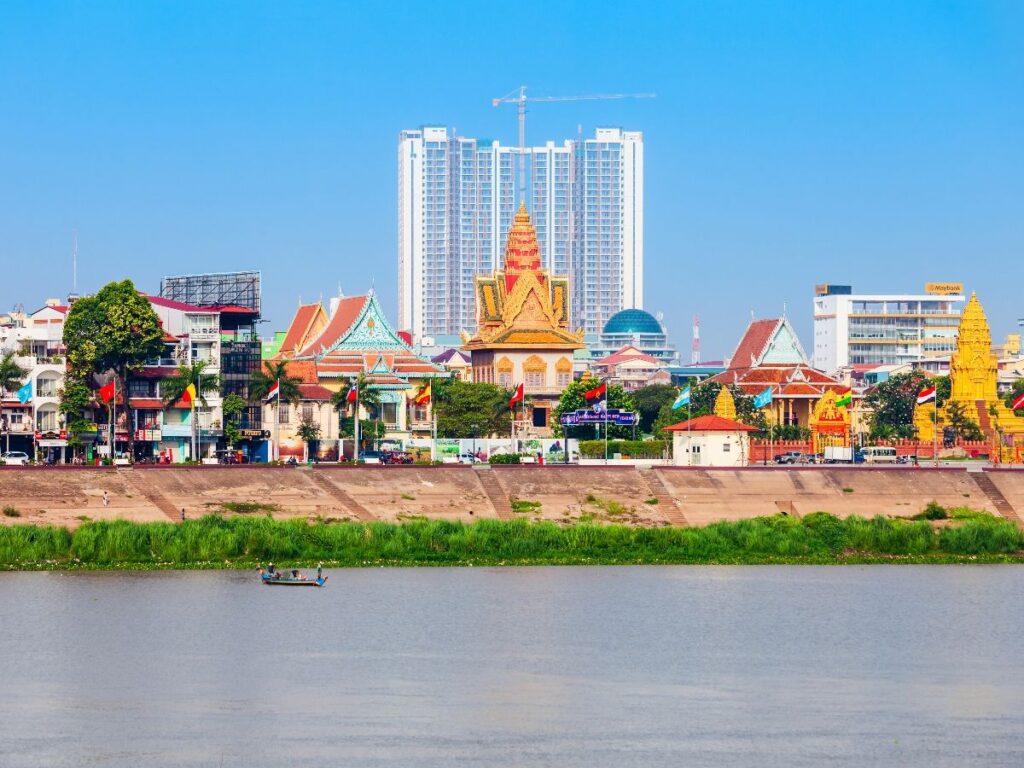
The capital lets you get closer to Cambodia’s recent history. In Phnom Penh, pagodas, colonial architecture and places that help you understand the most difficult chapters of the country sit side by side. Two days is enough to see the essentials.
- Royal Palace and Silver Pagoda: the king’s residence and its complex of pavilions. Entry costs about 10 USD. It is open from 8:00 to 11:00 and from 14:00 to 17:00, so plan the visit for the morning. Shoulders and knees must be covered, and photographing the interior of the Silver Pagoda is not allowed. Allow between an hour and a half and two hours.
- National Museum: it holds the largest collection of Khmer art in the country, with sculptures from the Angkor period. It is open from 8:00 to 17:00 and entry is around 10 USD. It is a good complement if you have already visited the temples or are about to.
- Tuol Sleng Genocide Museum: a former school turned into a prison during the Khmer Rouge regime. It is open from 8:00 to 17:00 and adult entry costs 5 USD (the audio guide is another 5 USD). Shorts and sleeveless tops are not allowed, and mobile phones cannot be used in the exhibition buildings. It is a harrowing visit, but an important one for understanding the country.
- Riverside walk and markets: the riverfront is pleasant in the late afternoon, and the local markets show the city’s everyday life.
It is best to leave some breathing room after visiting Tuol Sleng and not schedule anything demanding straight afterwards. Many travellers prefer a quiet lunch or a walk by the river.
Beyond the cities: Tonlé Sap and Battambang
If you have a couple of free days around Siem Reap, it is worth heading out to the lake and to the west of the country.
Tonlé Sap Lake
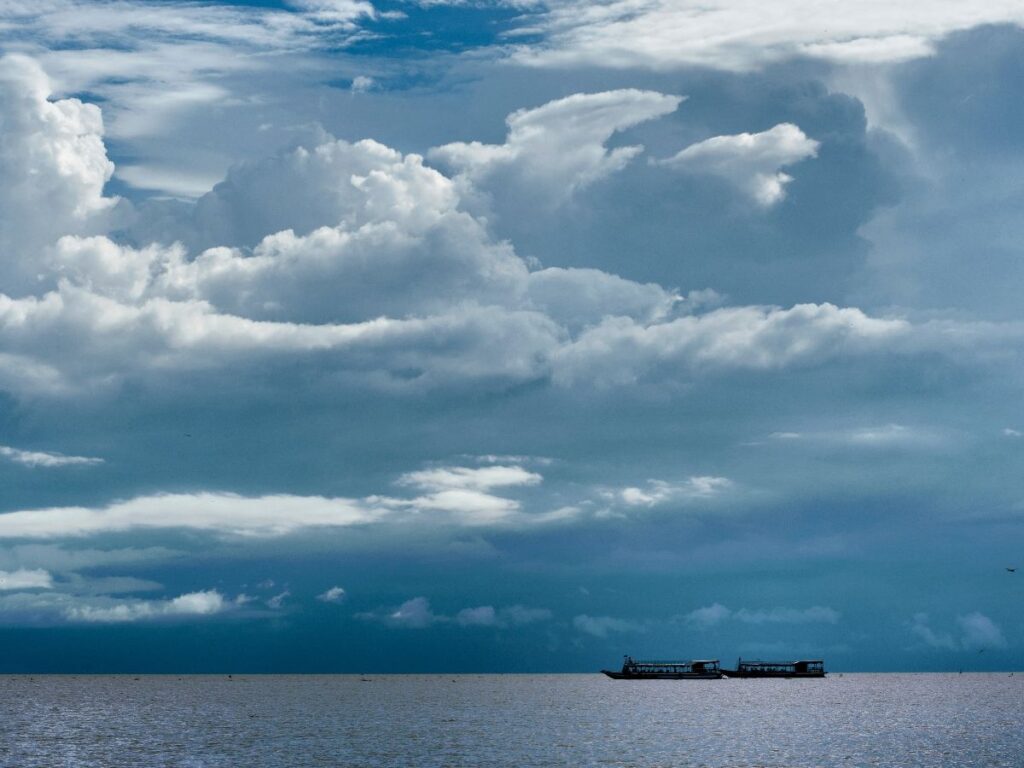
Tonlé Sap Lake is the largest lake in mainland Southeast Asia. Its level changes throughout the year: in the rainy season it grows and covers wide areas, and in the dry season it shrinks. Many villages adapt with stilt or floating houses, and life revolves around fishing.
- Kampong Phluk: a stilt village about an hour from Siem Reap. It is one of the most common excursions: there are shared tours from around 18 USD, and you can also hire a boat in the village for about 20 USD plus a small entrance fee. The experience changes with the season, so ask about the water level.
- Kompong Khleang: further away (around three hours round trip) and much quieter, with very tall stilt houses. It is a good option if you prefer fewer people.
- What to avoid: Chong Kneas is the area closest to Siem Reap, but it is not recommended because of the pressure to buy and the excessive charges. It is better to choose a more distant village.
Battambang
Battambang is about 160 km from Siem Reap, roughly two and a half to three hours by car, so it can be done as a day trip, although a night there suits better. Less visited than Siem Reap or Phnom Penh, it is a quiet town with colonial buildings, cafés and contemporary art.
- Bamboo train (norry): a light platform on rails, with a route of about 7 km and around 20 minutes each way. It is more a fun experience than a means of transport, and is best enjoyed when it is not crowded.
- Phnom Sampov bat colony: at sunset a long column of bats streams out of a cave. Arrive 15-20 minutes early to find a spot. On the same hill are the Killing Caves, a moving place linked to the country’s recent past.
- Organised excursions: full-day tours from Siem Reap are available from about 125 USD per person (indicative price for several participants).
Beaches and islands in Cambodia
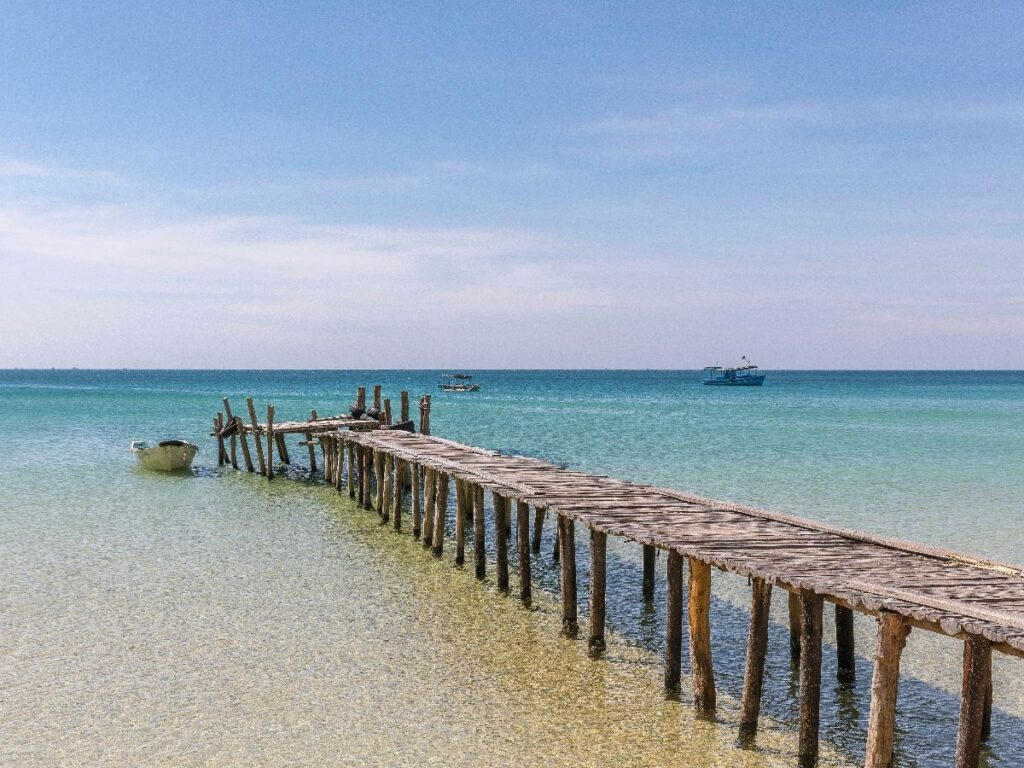
Cambodia also has a coastline, and a few days on the beach fit in well at the end of the trip, for example on a honeymoon. There are two main areas: the Gulf of Thailand, with the Koh Rong islands, and the south with Kampot and Kep.
Koh Rong and Koh Rong Samloem
The Koh Rong islands depart from Sihanoukville. The boat journeys are short: to Koh Rong Samloem, for example, they take between 15 and 45 minutes depending on the port and the boat, with several departures a day.
- Koh Rong: white-sand beaches and clear waters. It is the most developed, with more accommodation and bars. A good option for resting after touring the interior.
- Koh Rong Samloem: calmer and more relaxed, for those looking for nature and a chance to switch off. It has less nightlife, which is why couples and families like it.
Kampot and Kep
Further to the southeast, Kampot is a riverside town, known for its relaxed atmosphere and for the pepper grown in the area. Kep, about 30 minutes away by tuk-tuk, is famous for its crab market. Together they work very well as a two- or three-day stop between Phnom Penh and the beach.
- Pepper plantations: several farms offer guided visits to see how pepper is grown and dried. La Plantation, for example, has free guided walks and is open from 9:00 to 18:00; you can book in advance in high season.
- Bokor National Park: about 40 km from Kampot, a little under an hour by car. It is at a higher altitude, so it is cooler; bring a layer.
- Sunset river cruise: it usually lasts about two hours and, with luck, lets you see fireflies at nightfall. Tours leave before it gets dark.
- Kep crab market: the stalls stay open well into the afternoon. The typical dish is crab with Kampot green pepper. Ask the price by weight, and whether cooking is charged separately, before ordering.
- Koh Tonsay (Rabbit Island): a small island off Kep, about 20-40 minutes by boat. It is a simple place, with huts by the beach.
Prices and opening hours in this area vary by season, so confirm whatever you need when booking.
Trips that include this destination
Design your trip with this destination
What to do in Cambodia: essential experiences
If you are visiting Cambodia for the first time, these are the experiences travellers tend to remember most:
- Watch the sunrise at Angkor Wat: with the towers reflected in the pond, it is one of the most typical images of the region. Get up early and bring a layer, as it is cool at that hour.
- Sail on the Tonlé Sap: a way to get to know the everyday life of the communities that live on the water. Choose a distant village to avoid the most crowded spots.
- Wander the markets: in Siem Reap, Phnom Penh or Battambang they show what daily life is like. You can try local fruit and snacks.
- Learn about recent history: it helps you understand the resilience of the Cambodian people. Leave time to take it in.
- See a Phare show: contemporary Cambodian circus, a good way to end the day in Siem Reap.
Trying Cambodian cuisine
The food and drinks in Cambodia are often one of the surprises of the trip. It is a gentle cuisine, with herbs and aromatic pastes. These are the dishes to start with:
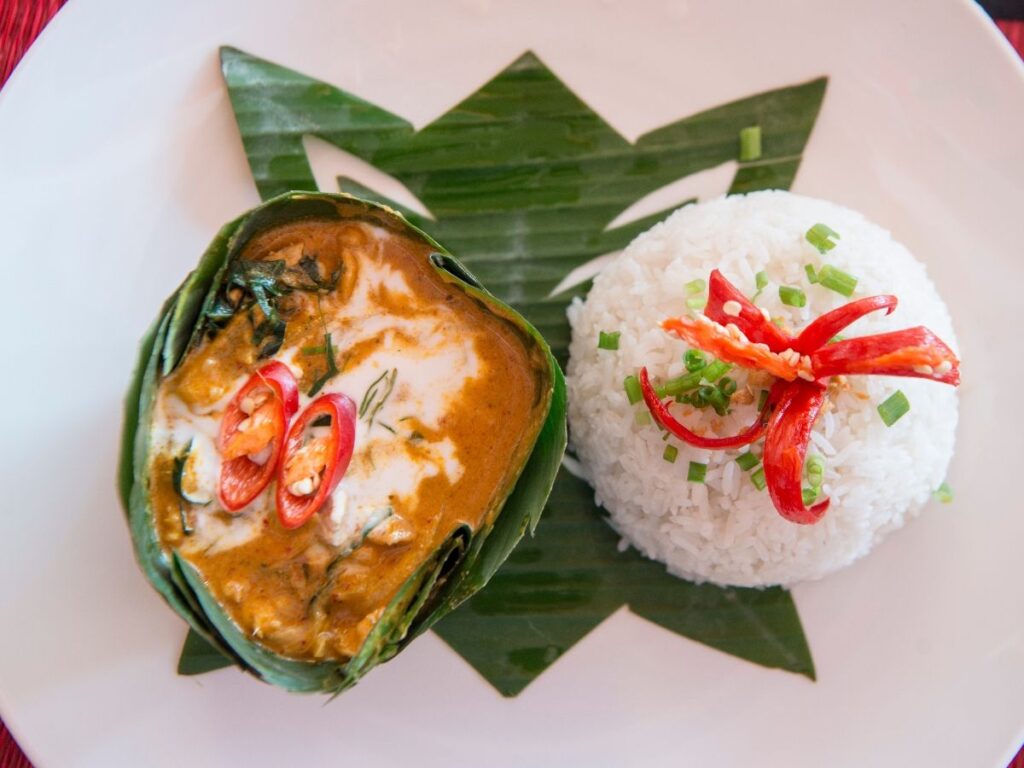
- Amok (amok trey): the best-known dish in the country. Fish in a paste of lemongrass, galangal, garlic and kaffir lime, mixed with coconut milk and egg, and steamed, often in a banana leaf. Very touristy restaurants serve it quickly like a curry; if you want the authentic version, ask how they prepare it.
- Lok lak: cubes of marinated, stir-fried beef, served with lettuce, cucumber and tomato, and with a lime and pepper dipping sauce. It is easy to find and almost everyone likes it.
- Nom banh chok: rice noodles with a cold green fish sauce made with lemongrass, turmeric and kaffir lime. Everyone adds herbs, bean sprouts and vegetables. It is usually eaten in the morning.
- Kuy teav: rice noodles in pork broth with lettuce, sprouts, spring onion and coriander. It is a very popular breakfast across the country.
- Bai sach chrouk: rice with grilled pork, pickles and egg. Another typical, inexpensive breakfast.
- Samlor kari: a mild chicken curry with coconut milk, sweet potato and bamboo, served with baguette.
Best time to travel to Cambodia
Cambodia has a tropical climate with two distinct seasons, and the best time depends on what you want to see:
- November to February: the most popular season, with pleasant temperatures and less rain. It is the best time for Angkor and the beach, although there are also more visitors, so it is advisable to book in advance.
- March to May: the hottest months, especially inland. Temple visits work better very early in the morning.
- June to October: the green season, with lusher landscapes and temples surrounded by vegetation. It rains, but the showers are usually short and do not stop the trip, and there are fewer people. The Tonlé Sap is also fuller at this time.
If you can choose, November and December combine good weather with still-green landscapes.
Cambodia as part of an Indochina route
Cambodia fits well into routes that include Vietnam, Laos or Thailand, and the most common Cambodia trips start or end in Siem Reap. If you want to see how they are combined, take a look at our Cambodia holidays.
Useful tips before you travel
Cambodia is an easy destination to get around. Before you travel to Cambodia, these Cambodia travel tips will help you avoid mishaps:
- Light, respectful clothing: cover shoulders and knees to enter temples and palaces. A scarf or a long-sleeved shirt comes in handy.
- Start early: in the morning it is cooler and there are fewer people at the temples. At midday it is best to rest.
- Carry some cash: hotels and tourist restaurants accept cards, but in markets, tuk-tuks and small villages cash is more practical. The US dollar is widely used, together with the local currency, the riel.
- Drink water often: visits mean hours of walking in the sun. A reusable bottle helps.
- Ask the price first: for tuk-tuks and local excursions, agree the fare and what it includes before setting off.
- Give Angkor time: it cannot be visited in a few hours. Two or three days let you see it without rushing.
- Respect monks and temples: ask permission before photographing people, and do not touch or climb on the statues.
- Combine culture and beach: after the temples, Koh Rong or Koh Rong Samloem make a good rest.
- Travel with an open mind: knowing the country’s history helps you understand its people, and conversations with locals are often remembered as much as the monuments.
If you want more practical information, you will find further details in our Cambodia travel guide.
‘In Cambodia, the best memories usually come when you leave room for the unexpected.’
Is a Cambodia customized tour worth it?
Travelling in Cambodia often exceeds the expectations of those who come only for Angkor. A personalised itinerary lets you balance temples, local experiences, nature and rest according to your interests.
At Nadova Tours we design Cambodia customized tours to get to know Cambodia beyond the best-known places, and we help you plan every stage.
Get travel advice from Nadova Tours
Travel to Cambodia: much more than Angkor Wat
ContenidoWhy go to Cambodia?Angkor Wat and the temples of AngkorTemples worth seeingHow to organise your
Nov

Travel to Laos: the authentic country that wins over travelers who never planned to visit
ContenidoWhy go to Cambodia?Angkor Wat and the temples of AngkorTemples worth seeingHow to organise your
Oct

Top 5 Ha Long Bay cruises for Vietnam family tours
ContenidoWhy go to Cambodia?Angkor Wat and the temples of AngkorTemples worth seeingHow to organise your
Oct
Why travel with Nadova Tours (Nadova Group): The Local Expert Advantage
ContenidoWhy go to Cambodia?Angkor Wat and the temples of AngkorTemples worth seeingHow to organise your
Oct

Is It Safe to Travel to Vietnam?
ContenidoWhy go to Cambodia?Angkor Wat and the temples of AngkorTemples worth seeingHow to organise your
Oct
What to see in Laos and Myanmar? Hidden gems of Indochina
ContenidoWhy go to Cambodia?Angkor Wat and the temples of AngkorTemples worth seeingHow to organise your
Oct
📞 HOTLINE: +84 838 818 583
📧 EMAIL: info@nadovatours.com
🏢 ADDRESS: 4th Floor, 59 Xa Dan Street, Dong Da District, Hanoi, Vietnam