


 Multi-Country
 Vietnam
 Laos
 Thailand
 Cambodia
 Myanmar
 Singapore
 Malaysia
 Indonesia
 Japan
 China
 South Korea
Many travelers make the same mistake when planning a travel to Thailand: they try to see everything. But traveling around Thailand is not about collecting destinations; it is about choosing an itinerary that suits your time and travel style. Temples, beaches, markets, world-famous cuisine and diverse landscapes make this country one of the most complete destinations in Southeast Asia, and the key is to combine the right places. If you are considering traveling to Thailand for the first time, this guide will help you decide how much time to spend in Bangkok, Chiang Mai and the beaches of Phuket or Krabi.
Which type of trip is right for you?
Not everyone is looking for the same experience. If you are interested in culture and history, combine Bangkok and Chiang Mai. If you prefer relaxing by the sea, Phuket and Krabi are popular choices. And if you want a well-rounded first experience, an itinerary of 12 to 14 days allows you to explore cities, nature and beaches without rushing.
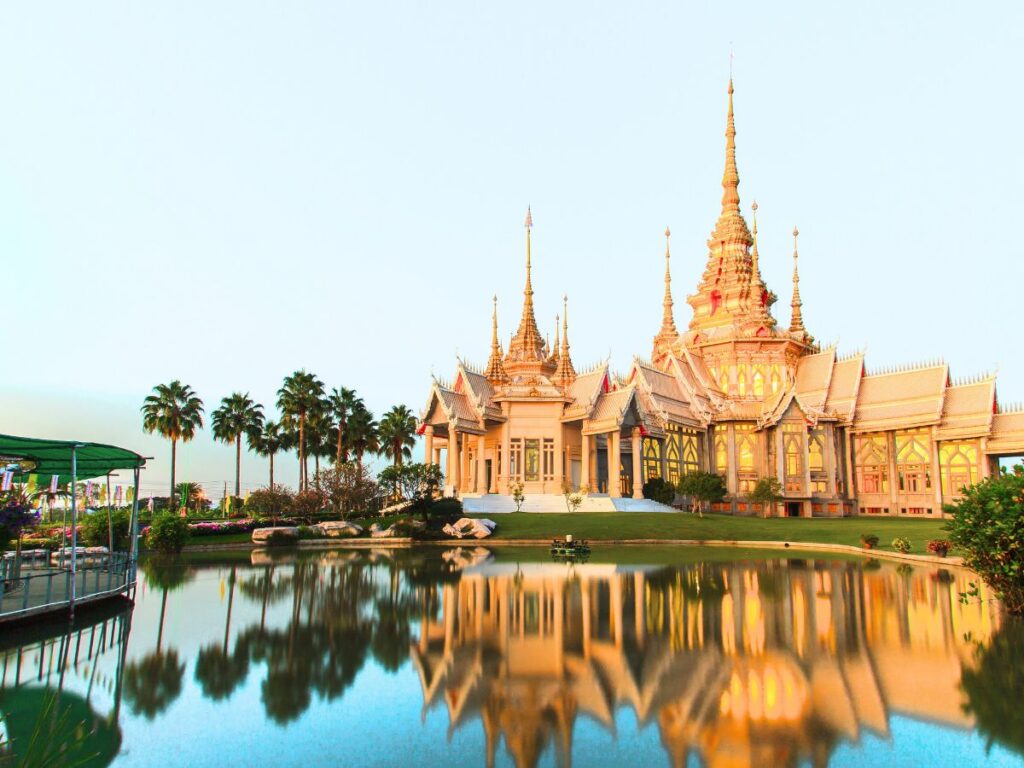
Bangkok: Is it worth visiting?
The answer is yes, but not only for its best-known temples. Bangkok is a city best enjoyed by walking through markets, tasting dishes in small local eateries, crossing the river by boat and observing the rhythm of each neighborhood. For a first trip, we recommend staying for at least three nights.
The three-temple route
The historic center is located alongside the Chao Phraya River and can be explored in one day, although in hot weather it is better to make one of the three temples optional:
- The Grand Palace and Wat Phra Kaew: admission for foreign visitors costs around 500 THB and includes the Grand Palace, the Temple of the Emerald Buddha and the Queen Sirikit Museum of Textiles. It opens at approximately 8:30 AM, and ticket counters close in the afternoon (sources indicate between 3:30 PM and 4:30 PM), so it is best to arrive early when the weather is cooler and there are fewer visitors. The ticket can be used for approximately seven days. There is a dress code: shoulders and knees must be covered, and long, loose-fitting trousers or skirts are required. Enter through the Mani Noppharat Gate. If someone tells you that the palace is closed and offers to take you somewhere else, this is a common scam: check directly at the entrance.
- Wat Pho: the temple of the Reclining Buddha, which is approximately 46 meters long. Admission costs around 300 THB, and the published opening hours are approximately 8:00 AM to 7:30 PM. There is a traditional massage school inside; a 30-minute massage costs around 340 THB. Allow about one and a half to two hours for your visit.
- Wat Arun: the temple with a tower decorated with porcelain, located on the opposite riverbank. Admission costs around 200 THB, and it is open approximately from 8:00 AM to 6:00 PM. You can cross by a short ferry ride from Tha Tien Pier, and the best photos of the tower can be taken from the Wat Pho riverbank at sunset.
The easiest way to get there is by taking the MRT to Sanam Chai Station (Exit 1) or the Chao Phraya Express Boat, with fixed fares of around 19–33 THB depending on the line.
Markets, canals and food
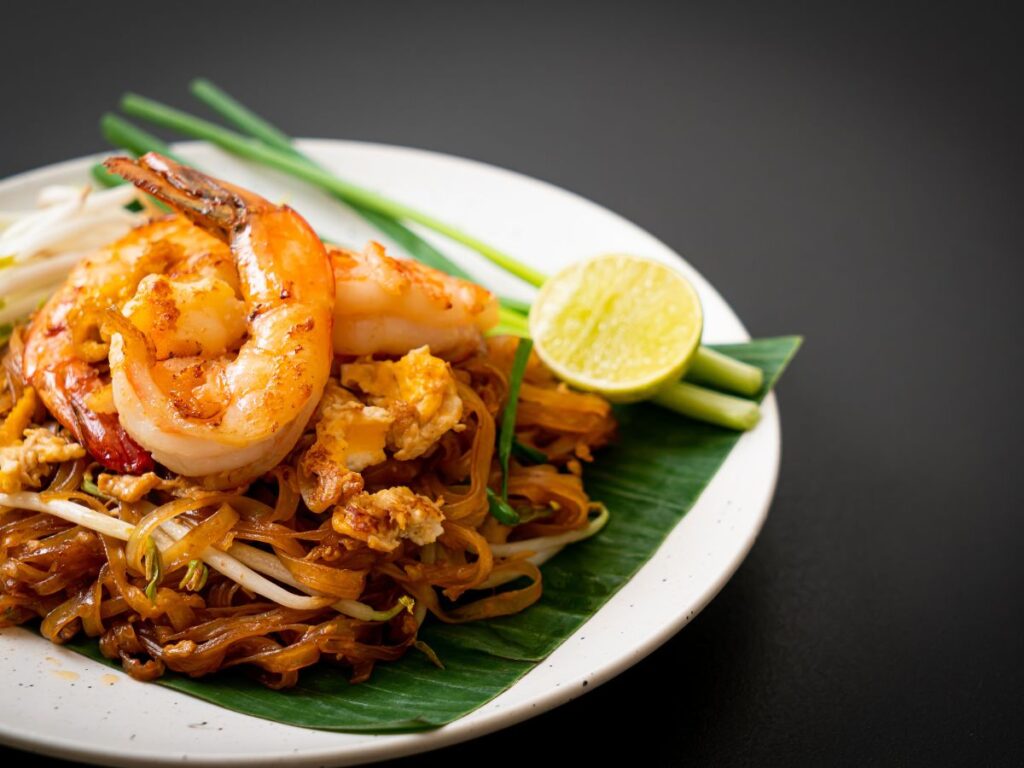
In the afternoon, Bangkok comes alive on the streets. Chinatown (Yaowarat) fills with food stalls after nightfall, while floating markets and canals (khlongs) can be explored by long-tail boat with a local driver. Dishes such as pad thai, curries, noodle soups and mango sticky rice are just as much a part of the experience as any monument. To find out more, read our Thailand food and drink guide.
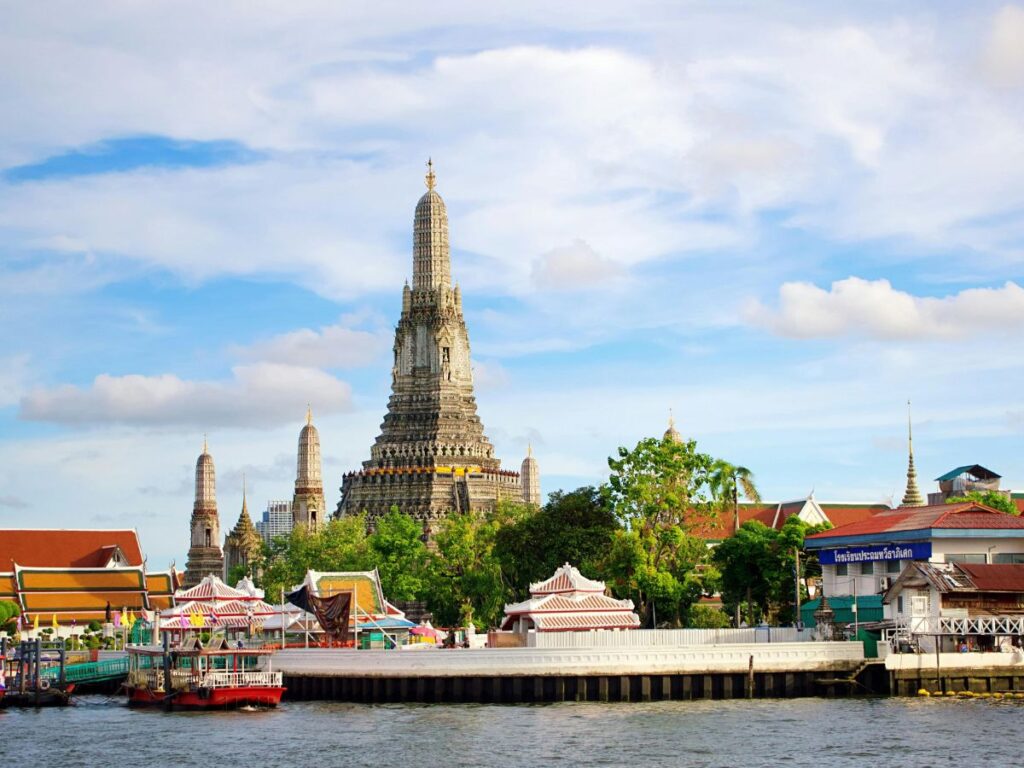
Chiang Mai: The city that surprises
Many travelers arrive attracted by the beaches but end up remembering Chiang Mai more fondly. Its combination of temples, food, night markets and a more relaxed atmosphere than Bangkok has made it one of the favorite cities in northern Thailand. Three days are enough to explore the old town, the main temples and Doi Suthep; with five days, you can add an ethical elephant sanctuary and a day trip.
- Old Town: a square area measuring approximately 1.5 km on each side, surrounded by a moat, which can be explored on foot or by bicycle. Wat Chedi Luang charges around 40 THB, as does the main hall of Wat Phra Singh; the gardens are free to enter.
- Doi Suthep: a mountain temple located about 11 km from the city center. Temple admission costs around 30 THB and the electric tram around 50 THB; you can also climb the staircase decorated with serpent sculptures. According to a recent guide, an additional national park fee of around 100 THB has applied since 2026, so confirm this on site. Shorts are not permitted (sarongs can be rented at the entrance). Visit in the morning, when you are more likely to enjoy clear views from the viewpoint. Agree on the return journey with your driver before going up.
- Markets: Sunday Walking Street closes Ratchadamnoen Road to traffic from around 5:00 PM, with more than a kilometer of food and handicraft stalls. The Saturday market on Wua Lai is smaller. Changklan Night Bazaar mainly sells souvenirs, while food is generally better at Kalare Night Bazaar or the market near Chiang Mai Gate.
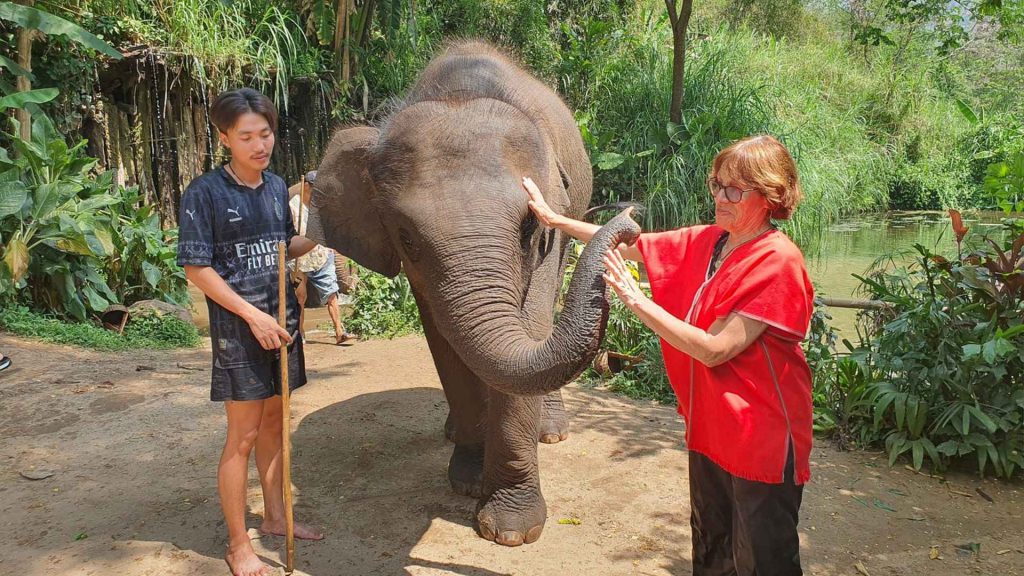
- Elephants, only at ethical sanctuaries: Elephant Nature Park offers a full-day visit for around 2,500 THB per adult, including transfers, meals and a guide. It can sell out one or two weeks in advance during peak season. Avoid places that offer elephant rides or performances.
- Getting around: red songthaews (shared pickup trucks) cost approximately 40 THB per person for journeys within the city; for private trips, agree on the price before getting in.
The best time to visit Chiang Mai is approximately from November to early February, when the air is cleaner and temperatures are mild. From mid-February to April, agricultural burning can create smoke and worsen air quality.
Phuket or Krabi: The big decision
Choosing between these two destinations depends more on your travel style than on the place itself. Phuket offers more complete services and nightlife, while Krabi is quieter and known for its limestone landscapes. At Nadova Tours, we generally recommend Phuket to travelers looking for comfort and variety, and Krabi to those who want to disconnect and unwind.
Phuket: Comfort and variety
Ideal if you are looking for a wide range of hotels, activities and excursions, as well as good air connections.
- Phuket Town (Old Town): Sino-Portuguese-style houses and quiet streets that can be explored in three or four hours. Lard Yai Market takes place on Sundays from approximately 4:00 PM to 10:00 PM. Thai Hua Museum charges around 200 THB and is closed on Wednesdays.
- Big Buddha: a 45-meter marble statue on top of a hill. Admission is free, and it is open approximately from 9:00 AM to 6:00 PM. Mid-afternoon is the best time to visit. According to a 2026 source, it reopened in March after a long closure; it is worth checking its current status before visiting.
- Wat Chalong: the island’s most visited temple, with free admission and opening hours of approximately 7:00 AM to 5:00 PM; visiting before 10:00 AM is recommended.
- Beaches: Kata and Karon are quieter and more suitable for families; Patong is livelier, with bars and nightlife. During the rainy season, red flags indicate dangerous swimming conditions: do not enter the water when they are displayed.
- Boat excursions: trips to the Phi Phi Islands cost approximately 2,500–4,500 THB, plus around 400 THB for the national park fee. Swimming is not allowed at Maya Bay. Excursions to Phang Nga Bay (home to the famous James Bond rock) cost approximately 1,200–4,500 THB. Cheaper operators often spend very little time at each stop.
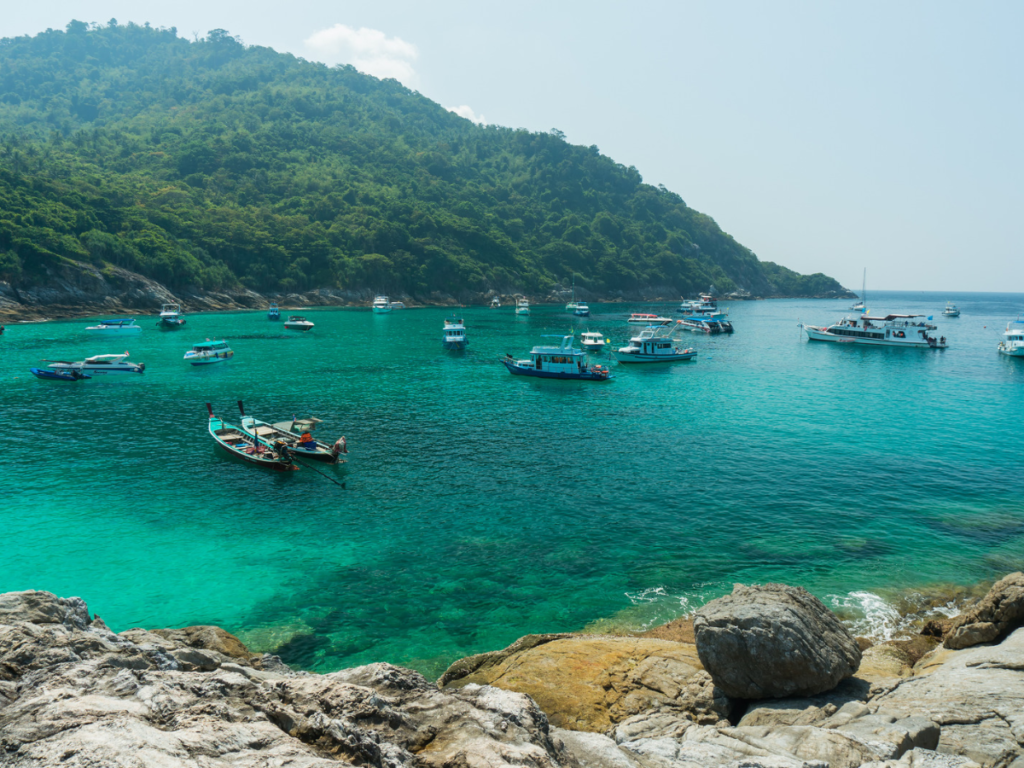
Krabi: Dramatic limestone landscapes and a slower pace
Ideal for travelers who prefer nature, quieter beaches and a more relaxed pace.
- Railay: a peninsula surrounded by cliffs with no road access. You can reach it by long-tail boat from Ao Nang in about 15 minutes, for approximately 200 THB round trip (around 400 THB from Krabi Town). It is famous for rock climbing, but also for its beaches.
- Ao Nang: the most convenient base, with restaurants and boat departures to Phi Phi, Koh Lanta and other islands. A local bus to Krabi Town costs around 50 THB and takes between 20 and 45 minutes.
- Four Islands and Phi Phi excursions: tours depart from Ao Nang and Railay. Prices and services vary by operator, so it is worth asking what is included and how much time is spent at each stop.
Both destinations have a good beach season on the Andaman coast from approximately November to April; outside these months, rainfall increases and the sea is rougher.
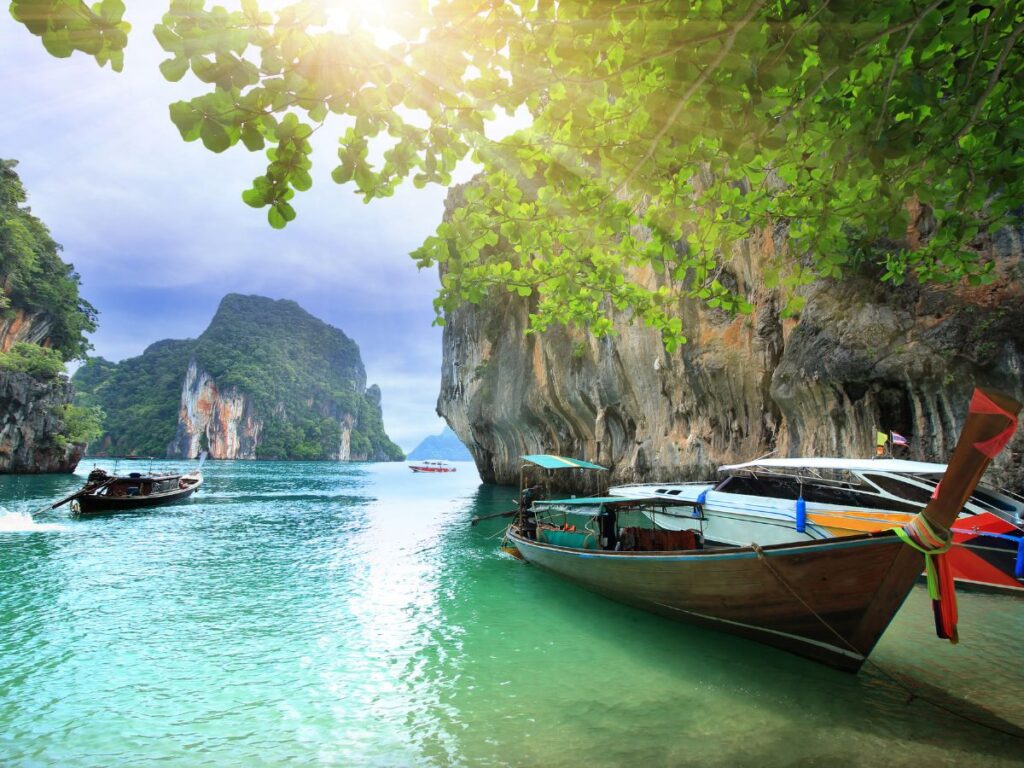
How many days should you spend at the beaches?
This is one of the most frequently asked questions when planning a trip, and the answer depends on how you combine beach time with the rest of your itinerary:
- Fewer than 3 days: usually too little time to enjoy the destination, especially when transfers need to be included.
- 4 or 5 days: the usual balance between relaxation and activities such as a boat trip and local sightseeing.
- Six days or more: enough time to combine two areas or add an island to your itinerary.
Rushing rarely works when it comes to enjoying the sea. If you are traveling as a couple, you can also explore our honeymoon travel ideas.
What to eat in Thailand
Many travelers remember a night market more vividly than a monument. Dishes such as pad thai, curries, traditional soups, tropical fruits and mango sticky rice are part of a cuisine full of different flavors. Try local food beyond tourist restaurants: street stalls and markets often serve excellent dishes at low prices. If you are worried about spicy food, say mai phet (not spicy) when ordering.
Recommended itineraries for first-time visitors
10 days: The essentials with just a few stops.
- Bangkok (3 nights).
- Chiang Mai (3 nights).
- One beach area (3–4 nights).
14 days: The most balanced itinerary.
- Bangkok (3 nights).
- Chiang Mai (3–4 nights).
- Krabi or Phuket (4 nights).
- A nearby island (2–3 nights).
18 days or more: Discovering different sides of the country.
- Bangkok and northern Thailand, including Chiang Mai and its surroundings.
- Several beach areas and islands, with time to relax between destinations.
Domestic flights between Bangkok and Chiang Mai, Phuket or Krabi take approximately 1 hour 15 minutes to 1 hour 30 minutes, depending on the route and airline; confirm schedules when booking. If you already have a route in mind, explore ideas in our Thailand tours.
Tours that include this destination
Design your trip to this destination
Common mistakes when traveling in Thailand
- Trying to visit too many destinations: it is better to explore fewer places and enjoy them at a relaxed pace.
- Spending too little time in Bangkok: many travelers stay for only one or two nights, even though the capital offers much more than its temples.
- Choosing beaches based only on photographs: each coast has a different atmosphere and a different best season.
- Not leaving enough time for food and local life: some of the best travel memories come from a market or a family-run restaurant.
Useful tips before traveling to Thailand
For more information, explore our Thailand travel guide and our travel tips.
- Flights from Europe and Latin America: there are usually no direct flights from Spain or Latin America; most routes involve one or more stopovers (for example, in Doha, Istanbul or Dubai), with a total journey time of around 14–18 hours from Spain. From Latin America, the journey is usually longer and depends on the departure city. As a reference, a round-trip ticket from Spain may cost approximately €700–€1,200, depending on the season and stopovers; fares from Latin America vary considerably. These are only estimates, so compare options on Skyscanner before booking.
- Visa and entry requirements: requirements depend on your passport and changed in 2026. According to sources from September and October 2026, from September 15 the visa-exempt tourist stay for Spanish travelers is 30 days (previously 60), with a possible 30-day extension at immigration (around 1,900 THB). Argentina, Chile and Peru have bilateral agreements allowing stays of up to 90 days. Travelers from Mexico, Colombia, Uruguay, Ecuador, Panama, Guatemala, the Dominican Republic and Cuba, however, need to obtain a visa before traveling (tourist visas can be requested online through the e-Visa system). If your country is not listed here, consult the official list from Thailand’s Ministry of Foreign Affairs or its embassy. In all cases, travelers must complete the free digital arrival card (TDAC) within the three days before arrival, using only the official website (tdac.immigration.go.th). Passports must be valid for at least six months, and immigration officers may request an onward ticket and proof of funds (some embassies indicate approximately 20,000 THB per person).
- When to go: the dry season is the most comfortable for beaches and excursions (on the Andaman coast, approximately from November to April); for northern Thailand, the best period is from November to early February. With good planning, you can travel during much of the year.
- Clothing and temples: cover your shoulders and knees when visiting temples and remove your shoes before entering. Bring a light scarf or shawl.
- Money: the currency is the Thai baht. ATMs charge withdrawal fees, so carry some cash for markets and transportation.
- Accommodation: book in advance if you are traveling during the high season (approximately December to February).
- Common scams: be cautious of anyone who tells you a temple is closed and offers an alternative plan, inflated tuk-tuk fares and very cheap excursions that include almost nothing.
- Health and travel insurance: drink bottled water, check your vaccinations and purchase travel insurance that covers medical expenses and water activities.
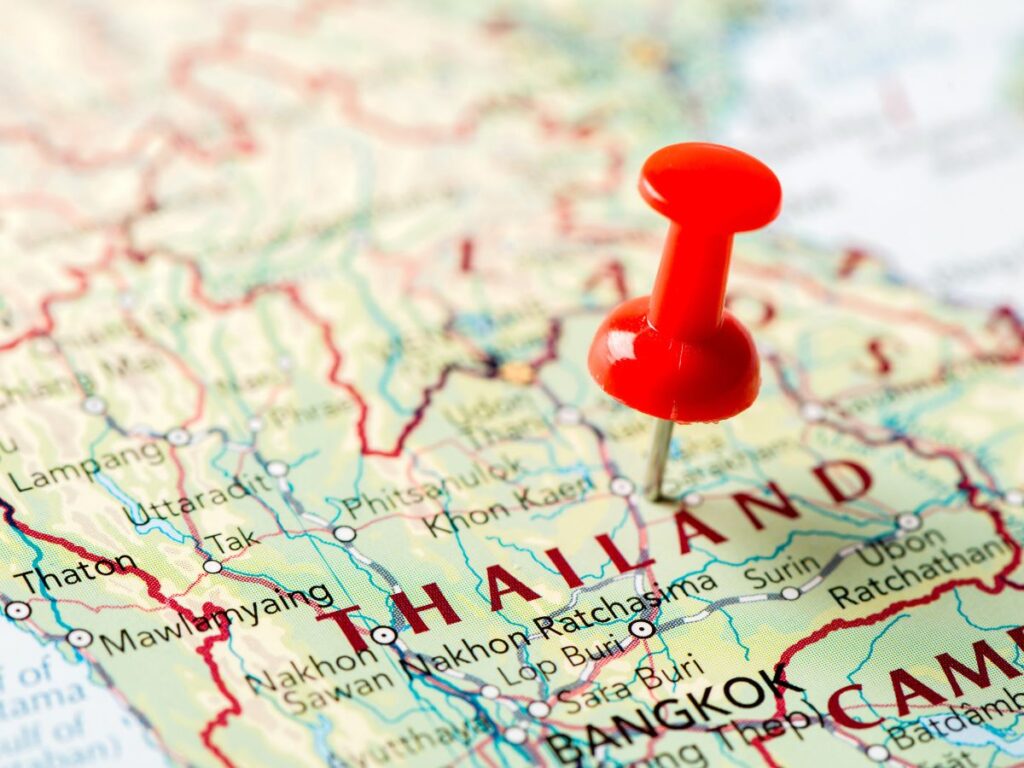
‘In Thailand, the day begins with an offering to monks, continues with a bowl of noodles at a market and ends by the sea or on a street filled with food stalls.’
Why travel to Thailand with Nadova Tours
Organizing a trip to Thailand can be challenging because of the variety of destinations. At Nadova Tours, we are a travel company specializing in Southeast Asia, arranging trips with carefully selected local guides, accommodation, transfers and reservations managed by our team. We design each itinerary around your travel dates and interests, combining culture, nature, gastronomy and beaches. Our Vietnam customized tours and tailor-made journeys across the region are designed to give you the flexibility to travel at your own pace.
If you want to balance must-see attractions with local experiences, tell us about your ideas and we will prepare a tailor-made trip.
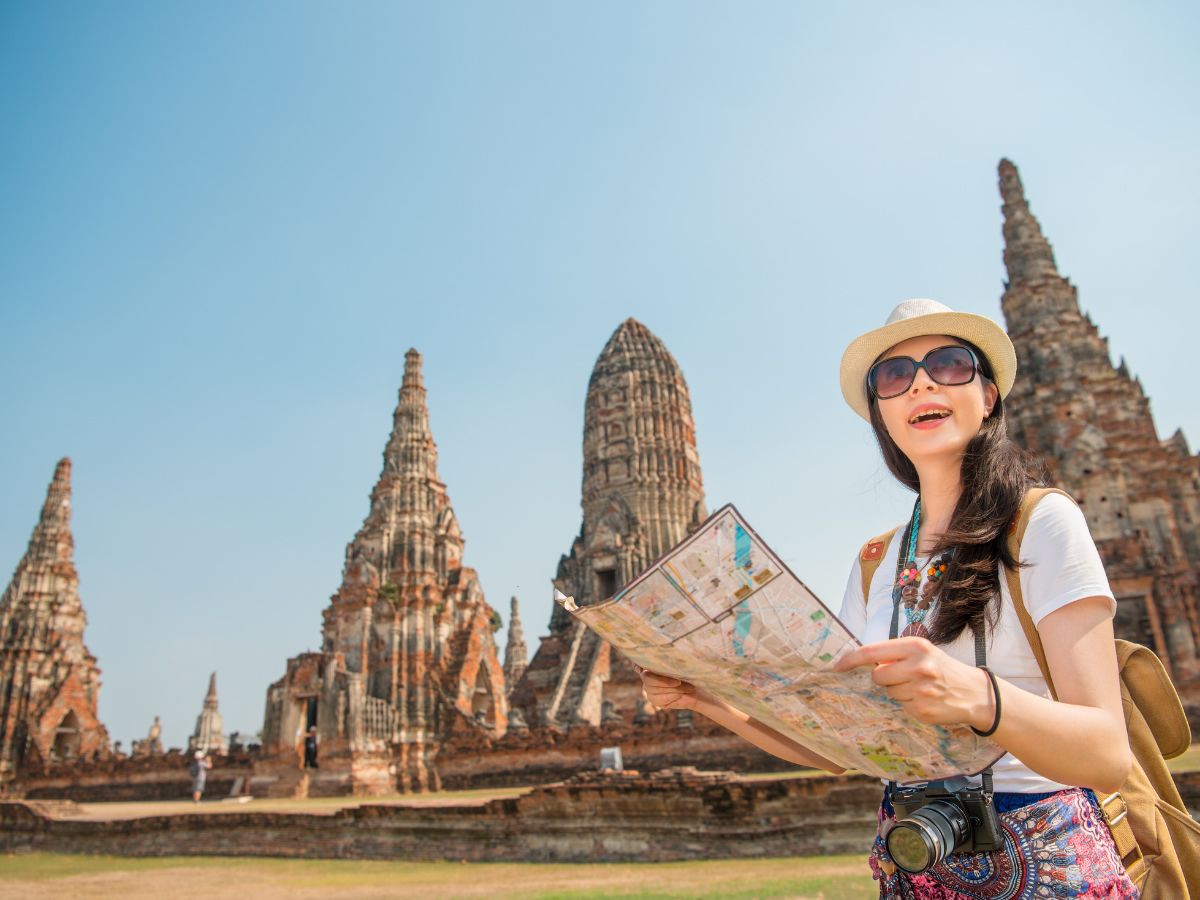
Travel to Thailand for first-timers: Phuket, Krabi, Bangkok, or Chiang Mai, which destinations should you choose?
ContenidoWhich type of trip is right for you?Bangkok: Is it worth visiting?The three-temple routeMarkets, canals
Nov
Travel to Cambodia: much more than Angkor Wat
ContenidoWhich type of trip is right for you?Bangkok: Is it worth visiting?The three-temple routeMarkets, canals
Nov

Travel to Laos: the authentic country that wins over travelers who never planned to visit
ContenidoWhich type of trip is right for you?Bangkok: Is it worth visiting?The three-temple routeMarkets, canals
Oct

Top 5 Ha Long Bay cruises for Vietnam family tours
ContenidoWhich type of trip is right for you?Bangkok: Is it worth visiting?The three-temple routeMarkets, canals
Oct
Why travel with Nadova Tours (Nadova Group): The Local Expert Advantage
ContenidoWhich type of trip is right for you?Bangkok: Is it worth visiting?The three-temple routeMarkets, canals
Oct

Is It Safe to Travel to Vietnam?
ContenidoWhich type of trip is right for you?Bangkok: Is it worth visiting?The three-temple routeMarkets, canals
Oct
📞 HOTLINE: +84 838 818 583
📧 EMAIL: info@nadovatours.com
🏢 ADDRESS: 4th Floor, 59 Xa Dan Street, Dong Da District, Hanoi, Vietnam